- Category: Emotional Recovery / Lolo Real Talks
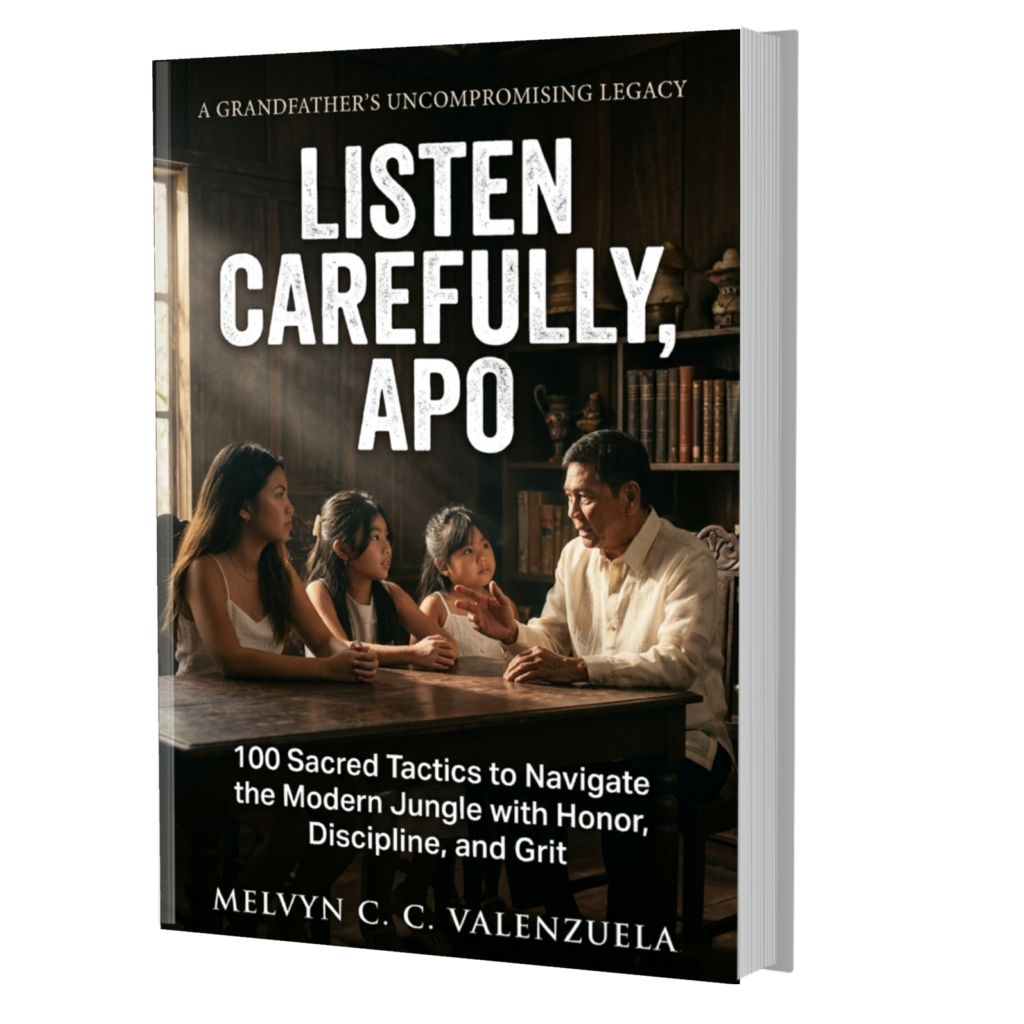
- Core Source Material: Listen Carefully Apo
The Anatomy of Quiet Exhaustion
Introduction: When Being Strong Becomes Your Trap
Pull up a chair, Apo. Sit down, pour a warm drink, and drop your shoulders. Let the room go quiet for just a moment. I want to talk to you about a specific type of weight you’ve been carrying. It isn’t the kind of heavy load that makes you look visibly broken to the outside world. In fact, if someone looked at you right now, they would probably say you are doing incredibly well. They see your output, they see your smile, and they see how you show up for everyone else when their world falls apart.
But you and I know the truth. When the lights go out and the noise of the day dies down, you are dealing with a profound, bone-deep fatigue. This isn’t a tiredness that a good night’s sleep can fix. It is an emotional exhaustion that comes from playing the role of the unshakeable protector for far too long without a sanctuary of your own.
The Textual Breakdown: The Burden of the Unseen Battle
In our modern culture, we have created a dangerous myth around what it means to be strong. We treat resilience like a machine that never needs oil, running indefinitely on pure willpower. You tell yourself, “If I just push harder, if I just survive this week, if I keep hiding my cracks, everything will stabilize.” But look closely at what happens when you suppress your inner chaos to protect your outer reputation. You begin to isolate. You experience what I call The Performance Trap. You become an actor in your own life, delivering a perfect performance of strength while your inner spiritual and emotional foundations are quietly eroding underneath the pressure.
When you read through the life lessons of those who have survived immense hardships, a clear pattern emerges: Survival is not about pretending you are made of stone. True survival requires an honest assessment of your current coordinates. If you are running on empty, pretending your tank is full won’t get you to your destination; it will only leave you permanently stranded in the middle of a breakdown.
Tactical Life Strategy: The Three-Step Pacing Framework
Apo, exhaustion should never become your permanent identity. To break out of this cycle before it breaks you, we must implement a strategic framework for real-world pacing.
- 1. Radical Inventory (The Reality Check): Stop saying “I’m fine” when your soul is screaming. Write down the top three things that are currently draining your emotional currency. Acknowledge them. You cannot manage a vulnerability that you refuse to name.
- 2. Controlled Access (Protecting the Perimeter): You cannot be everything to everyone. You must establish strict boundaries. If an obligation or relationship continuously drains your peace without offering reciprocity or purpose, you must limit its access to your inner circle.
- 3. The Sanctuaries of Silence: Intentionally build 15 minutes of absolute silence into your daily schedule. No phones, no notifications, no demands. Sit with your thoughts, bring your exhaustion before God, and let your nervous system register that it is safe to drop the armor.
Final Reflection
Listen carefully, Apo: You are human, not a monument. Admitting that the road has been heavy does not mean you are weak; it means you are paying attention to the vessel God gave you. Do not allow your current fatigue to make you bitter, and do not let it convince you that you are finished. This is not the end of your story; it is simply the moment you learn how to rest so you can rebuild properly. Let’s get to work.
“Admitting that your armor is heavy doesn’t mean you are a coward, Apo; it means you are a soldier who has run out of oil. Step into the quiet room, lay your fatigue before the Master, and let Him rebuild your steel from the inside out. Let’s get to work.”
— Lolo Melvyn C.C. Valenzuela, Listen Carefully, Apo