
The Life Skills Nobody Taught You: Six Steps to a Wiser, Stronger Life
The Life Skills Nobody Taught You may be the very skills you need most when life becomes difficult. We spend years learning how to earn money, perform our jobs, and achieve success. But who teaches us how to make wise decisions, control our reactions, resist pressure, rebuild after failure, and leave something meaningful in the people we love?
My friend, these questions matter at home, at work, in our relationships, and in every community where people depend on one another. A better future does not begin only with a bigger salary or a more impressive position. It begins with the person we are becoming—and the choices we make today.
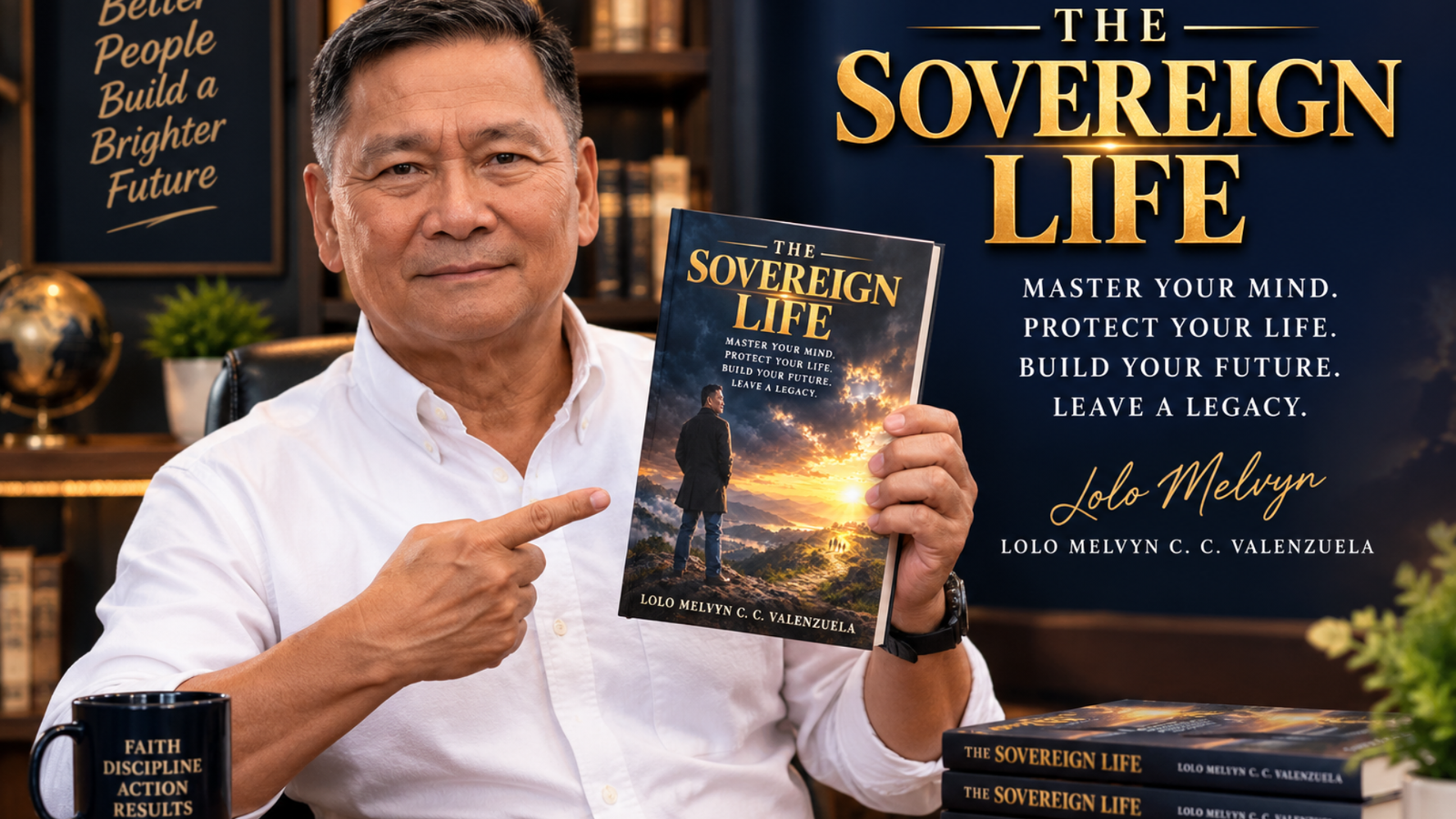
In this Lolo Melvyn Real Talk, I want to share six practical steps from my book, The Sovereign Life: Master Your Mind. Protect Your Life. Build Your Future. Leave a Legacy. These steps can help us become more thoughtful, responsible, resilient, and prepared for the future.
“Do not just leave something for your children. Leave something in them.”
— Lolo Melvyn
The Life Skills Nobody Taught You: Why They Matter
My friend, let me ask you something.
If your child makes a wrong decision, will you always be there to protect them? If your employee faces pressure to do something wrong, will they know how to say no? And if life suddenly brings a storm, will your family know how to stand strong?
We cannot be present in every moment of another person’s life. We cannot make every decision for our children, employees, friends, or loved ones. What we can do is help them develop the judgment and character they need when we are not beside them.
Some people lose opportunities because of one careless choice. Some families suffer because people do not listen to one another. Some leaders make decisions because they are afraid of pressure, not because they believe the decision is right. And some young people have dreams but feel lost because they do not know where to begin.
Life will not always be easy. But we can learn to face difficult moments with a clearer mind, stronger values, and a better plan. These are not skills reserved for a few exceptional people. They can be practiced in ordinary life, one decision at a time.
Learning to make better choices is a lifelong process. It begins when we become willing to recognize what is happening, reflect on our options, and take responsibility for what we do next.
Six Practical Life Skills for Everyday Decisions
In The Sovereign Life, I share a six-step method that can be used when facing a challenge, making a decision, or trying to move forward after a setback. The steps are simple to remember, but they ask us to be honest and deliberate.
1. Recognize the Problem
Before you can solve a problem, you must be willing to see it clearly. Do not ignore warning signs just because the truth is uncomfortable. Recognize what is happening, what is at risk, and what needs your attention.
At work, this may mean noticing that a decision is unsafe or unfair. At home, it may mean admitting that a conversation has become hurtful. In your personal life, it may mean recognizing a habit that keeps you from reaching your goals.
Ask yourself: What is the real problem? What facts do I know? What am I assuming? Recognition gives you a starting point. You cannot make a useful plan if you refuse to look honestly at the situation.
2. Reason Before You React
Strong emotions can make a difficult moment even harder. Anger may push us to speak harshly. Fear may make us avoid a necessary decision. Excitement may lead us to overlook important risks.
Reasoning does not mean ignoring your feelings. It means giving yourself enough time to consider the facts, possible outcomes, and values that should guide your response.
Pause before sending the message. Ask a question before making an accusation. Think about the consequences before taking action. A short pause can protect a relationship, an opportunity, or your peace of mind.
Sometimes the wisest response is not the fastest response. Give yourself time to think, especially when a decision may affect other people.
3. Resist the Pressure to Do What Is Wrong
There will be moments when doing the right thing is uncomfortable. You may feel pressure to agree, remain silent, take a shortcut, or do something that conflicts with your values.
Courage is not always loud. Sometimes courage is a calm and respectful “no.” It is choosing honesty when dishonesty seems easier. It is refusing to sacrifice your character just to gain approval.
Before you act, ask: If I make this choice, will I respect it tomorrow? Will it harm someone? Does it align with the person I want to become? These questions help turn values into decisions.
You may not control every situation, but you can work toward controlling your own response. That is one way to protect your integrity when pressure becomes strong.
4. Realign Yourself with Your Values
When life becomes confusing, return to what matters most. Your values can help you decide what deserves your time, energy, attention, and commitment.
Realignment may mean changing your priorities, asking for help, apologizing, or admitting that your current direction is not working. It may also mean returning to faith, purpose, or the principles that keep you grounded.
A useful question is: What kind of person do I want to be while I face this challenge? Your answer can guide the next step.
Realignment is not a sign of weakness. It is a willingness to correct your direction when you recognize that something needs to change.
5. Rebuild Through Small, Correct Actions
A better life is rarely built in one dramatic moment. More often, it is built through small actions repeated with discipline.
If you want stronger relationships, begin by listening more carefully. If you want to manage your resources better, begin by understanding where your money goes. If you want to improve your future, choose one useful habit and practice it consistently.
Do not wait until you feel perfect or completely ready. Begin with what you can do today. A small correct action is still progress—and progress gives you something to build upon.
When you experience a setback, ask yourself what can be repaired, what can be learned, and what practical step you can take next. You may not be able to change yesterday, but you can begin shaping tomorrow.
6. Release Your Wisdom to Help Others
The final step is to share what you have learned. Wisdom becomes more meaningful when it helps someone else make a better choice.
You can share a lesson with a child, mentor a younger colleague, encourage a friend, or model good character in your community. You do not need to have every answer. You only need to be willing to pass forward a lesson that may help another person.
This is how a legacy begins—not only through possessions, but through the values, habits, and wisdom we leave in others.
The Life Skills Nobody Taught You: Lessons for Families, Employees, and Leaders
The life skills we practice every day shape our families, our work, our relationships, and the future we build. These lessons become even more valuable when we share them with others.
For Parents and Families
Children need more than instructions. They need examples, conversations, and opportunities to practice making choices. Parents cannot prevent every mistake, but they can help children learn how to think through a decision, take responsibility, and recover after disappointment.
A meaningful legacy is not only what we leave behind. It is also the values and wisdom we place within the people we love. In my article about the biggest regret people have at age 70 , I explore why the choices we make today can matter deeply when we look back on our lives.
Families can practice these skills by listening without immediately judging, discussing consequences calmly, and showing that mistakes can become opportunities to learn. A family’s strongest inheritance may be the wisdom its members carry into their own lives.
For Employees and Organizations
Skills matter in every organization, but character matters too. Employees and teams need to communicate respectfully, recognize risks, consider consequences, and take responsibility for their decisions.
Leaders can encourage thoughtful decision-making by making expectations clear, welcoming questions, and creating an environment where people can raise concerns respectfully. Good judgment is strengthened when people understand both their responsibilities and the values behind them.
Leadership also requires learning from mistakes. Read more about the most expensive mistakes young leaders make in their 20s and why the decisions we make early in our leadership journey can have lasting consequences.
These ideas are not a substitute for professional training, workplace policies, or legal advice. They are practical personal-development principles that can support a culture of responsibility and better choices.
For Young People Building Their Future
Young people often hear that they must succeed, but they may not always be shown how to begin. A meaningful future is built through clear goals, useful habits, discipline, patience, and the ability to learn from setbacks.
Start by identifying one skill you want to strengthen. Break it into small actions. Ask someone trustworthy for guidance. Review your progress. Then keep moving, even when the results take time.
If you feel that your accomplishments have not brought the satisfaction you expected, explore why accomplishment can sometimes feel empty . Success becomes more meaningful when it is connected to purpose, values, and the people who matter to us.
The Life Skills Nobody Taught You: Build a Better Future
My friend, you do not have to change your whole life in one day. You do not need to solve every problem before you begin. You can start with one honest conversation, one wise decision, one act of discipline, or one step toward a goal that matters.
If you are searching for a more intentional way to live, explore The Sovereign Life Blueprint . It is a related resource for readers who want to turn personal-development ideas into a practical direction for their lives.
You can also discover the broader ideas behind The Sovereign Code Series , which connects with the ongoing journey of developing wisdom, discipline, and personal responsibility.
The point is not to become perfect. The point is to become more aware, more responsible, and more willing to grow. When you make a mistake, recognize it. When you feel pressure, reason before you react. When you lose your direction, realign with your values. When you fall, rebuild through small actions.
Learn from the Experiences of Others
Life often teaches through difficult experiences. Some lessons arrive through our own mistakes; others come from listening to people who have already faced a challenge.
Read how to overcome the “Sana All” syndrome for a reflection on comparison, desire, and the importance of focusing on your own path.
For readers thinking about life abroad, family responsibilities, and building a better future, explore OFW Real Talk with Lolo Melvyn . You may also find practical direction in The Complete OFW Blueprint and the OFW Freedom Starter Kit .
These resources speak to different circumstances, but they share an important idea: a better future is built through informed choices, preparation, and consistent action.
Meet the Author
The life lessons in this article reflect the personal-development message I share through Lolo Melvyn Real Talk and my books. You can learn more about my background and the story behind this work on About Lolo Melvyn .
Watch Lolo Melvyn Real Talk: The Life Skills Nobody Taught You
Watch the video below and reflect on the six steps. Share it with someone you care about—a family member, colleague, friend, or young person preparing for the future.
Get the Book: The Sovereign Life
If you want to explore these ideas in greater depth, I invite you to read my book:
THE SOVEREIGN LIFE
Master Your Mind. Protect Your Life. Build Your Future. Leave a Legacy.
This book is designed to help readers reflect on their decisions, strengthen their character, develop practical habits, and think about the future they are building. It can be used for personal reflection and as a starting point for meaningful conversations about growth, responsibility, and legacy.
If you are an OFW or a family member thinking about financial independence, preparation, and a more secure future, you may also explore the OFW Freedom Starter Kit as a related resource.
Download the Free Guide
Begin with the free guide and take a practical first step toward a wiser, more intentional life.
Download The Sovereign Life Free Guide
Explore the Official Lolo Melvyn Bookshop
Discover more books and resources from Lolo Melvyn.
Visit the Official Website
Frequently Asked Questions
What are the life skills nobody taught you?
They are practical skills that help people handle everyday challenges, such as recognizing problems, thinking before reacting, resisting harmful pressure, realigning with values, rebuilding through action, and sharing wisdom with others.
How can I improve my decision-making?
Pause before acting, identify the real problem, separate facts from assumptions, consider possible consequences, and choose an action that aligns with your values and responsibilities.
How can parents teach life skills to children?
Parents can model thoughtful choices, listen to their children, discuss consequences, encourage responsibility, and help children learn from mistakes instead of expecting perfection.
How can organizations use these life lessons?
Organizations can use these principles as discussion prompts for personal development, leadership conversations, and character-building activities. They should complement—not replace—role-specific training, policies, and professional guidance.
What is The Sovereign Life about?
The Sovereign Life by Lolo Melvyn is a personal-development book about clearer thinking, personal responsibility, discipline, resilience, building a meaningful future, and passing wisdom to the next generation.
A Final Message from Lolo Melvyn
My friend, the future is not built only by what we earn or what we own. It is also built by the choices we make, the character we strengthen, and the lessons we pass on.
Begin with one good decision. Take one right action. Share one lesson with someone you love.
Do not just leave something for your children. Leave something in them.
This is Lolo Melvyn Real Talk. God bless you, my friend. Makinig ka sa lolo mo.
Pingback: Your Life Could Change With One Wise Step | Lolo Melvyn
Pingback: What Chapter of Life Are You Living Right Now?